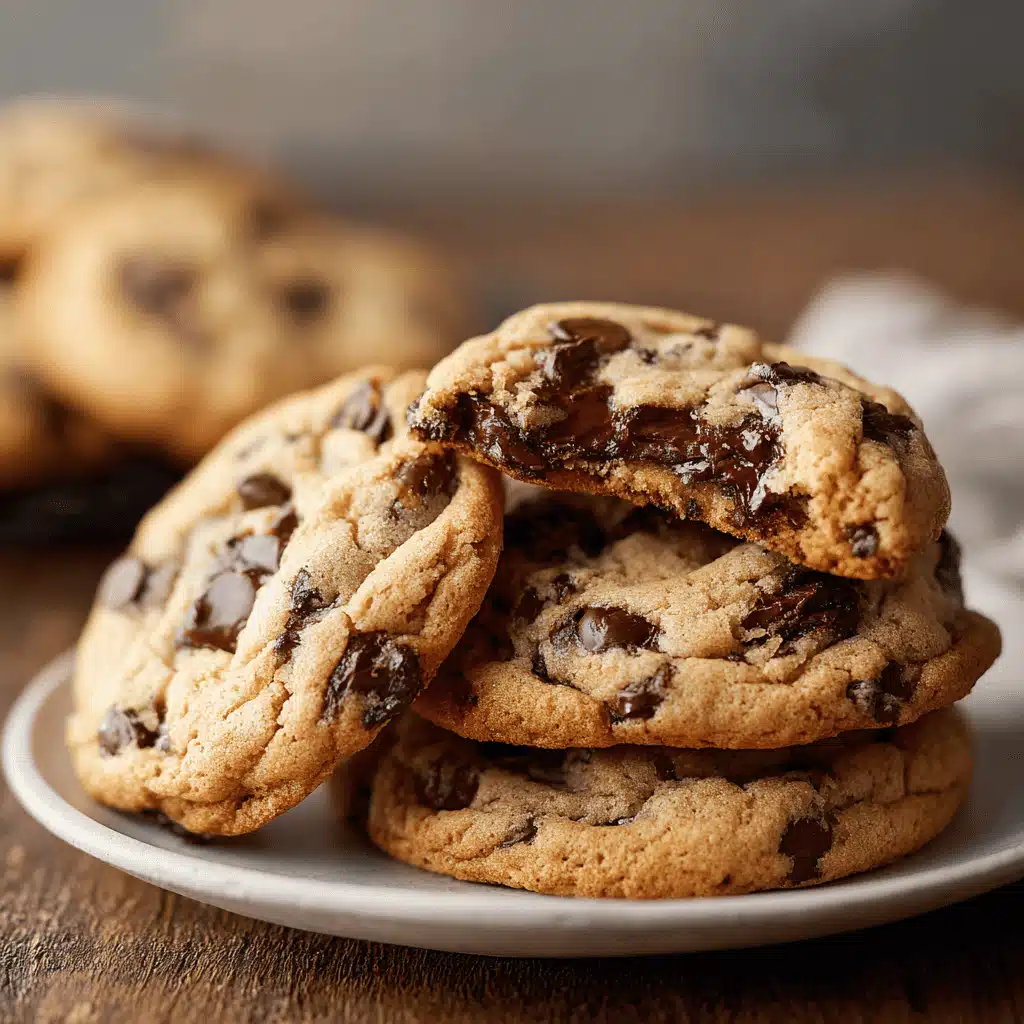
If you’ve been searching for the ultimate chewy chocolate chip cookie, the kind that bends before it breaks and melts in your mouth with buttery sweetness, you’re in the right place. This recipe brings bakery-style softness home using simple pantry staples and a few tested techniques. We’ll cover what makes cookies chewy, why ingredients like brown sugar and peanut butter matter, and the best temperature for baking perfect results. By the end, you’ll have a reliable go-to recipe that’s soft in the center, crisp at the edges, and utterly irresistible just the way a chewy chocolate chip cookie should be.
The Secret to the Perfect Chewy Chocolate Chip Cookie
A warm kitchen memory
Hi there! I’m April Marlowe, and my love for baking chewy chocolate chip cookies started long before I had my own oven. Growing up in Santa Cruz, my dad could turn even half a bag of chocolate chips into pure magic. We didn’t have fancy mixers, but we had laughter and a worn-out cookie sheet that always baked love into every batch. Those moments taught me that baking isn’t about perfection it’s about joy. When I finally created this version of the chewy chocolate chip cookie, it brought me right back to those evenings filled with warm light and sweet smells.
Why this recipe works every single time
This chewy chocolate chip cookie stands out because it balances sugar, fat, and moisture perfectly. Brown sugar brings chewiness through molasses, while a touch of peanut butter adds richness that softens the crumb. Using melted butter instead of cold keeps the cookies dense, while two tablespoons of corn syrup ensure that soft, bendy texture lasts for days. Unlike thin crispy cookies, this version keeps a golden edge and a chewy middle every single time.
A good chewy chocolate chip cookie is about technique, not luck. Creaming the butter and sugars fully before adding eggs ensures a tender crumb, and baking at 375°F locks in moisture fast. Cooling the cookies for just one minute before moving them to a rack stops overbaking. These little details make all the difference and once you try it, you’ll see why this has become my most requested cookie recipe among friends.
Print
Chewy Chocolate Chip Cookie : 5 Easy Steps for Soft Perfection
- Total Time: 10 minutes
- Yield: 24 bites
- Diet: Vegetarian
Description
Quick, 10-minute No-Bake Energy Bites packed with oats, peanut butter, flaxseed, and honey. Perfect for busy mornings or pre-workout fuel.
Ingredients
- 1 cup rolled oats
- ½ cup miniature semisweet chocolate chips
- ½ cup ground flax seed
- ½ cup crunchy peanut butter
- ⅓ cup honey
- 1 teaspoon vanilla extract
Instructions
- Gather all ingredients.
- Stir oats, chocolate chips, flax seed, peanut butter, honey, and vanilla extract together in a bowl.
- Roll dough into 24 balls with your hands. Arrange balls on a baking sheet and freeze until set, about 1 hour.
- Serve and enjoy!
Notes
- Store in an airtight container in the fridge up to 1 week or freezer for 3 months.
- Prep Time: 10 minutes
- Cook Time: 0 minutes
- Category: Snacks
- Method: No-Bake
- Cuisine: American
Table of Contents
The Science Behind a Chewy Chocolate Chip Cookie
What makes cookies more chewy?
When it comes to a perfect chewy chocolate chip cookie, it all comes down to balancemoisture, fat, and sugar ratios determine how the texture turns out. Brown sugar is the secret hero here; its molasses content attracts moisture and keeps the center soft. White sugar, on the other hand, creates crisp edges. A 2:1 ratio of brown to white sugar ensures that signature chewy center while still keeping a delicate crunch on the outside.
Eggs play another key role. The yolks add fat and richness, while the whites provide structure, preventing the cookies from falling apart. Peanut butter adds protein and natural oils, both of which slow moisture loss and enhance the soft, satisfying bite we crave. And don’t overlook corn syrup it locks in moisture, giving each cookie a glossy, tender finish that lasts for days.
If you’ve ever made my No-Bake Energy Bites or No-Bake Lemon Dessert, you’ll notice the same balance of sugar, fat, and heat at work there too.
Is 325 or 350 better for cookies?
The baking temperature can make or break your chewy chocolate chip cookie. Baking at 325°F produces evenly baked cookies that are soft throughout, but they may spread too much. Baking at 350°F gives you the best of both worlds a soft, chewy middle and golden, slightly crisp edges. However, my preferred temperature is 375°F for this recipe because it sets the outer edges faster while leaving the centers moist and dense.
So, the answer to “Is 325 or 350 better for cookies?” depends on what you love most but for a true chewy chocolate chip cookie, higher heat (375°F) gives that golden exterior and gooey core that defines perfection.
The Ultimate Ingredient Guide to a Chewy Chocolate Chip Cookie
What are three key elements that make cookies soft and chewy?
A truly chewy chocolate chip cookie comes down to three essentials: moisture retention, sugar type, and fat balance. Let’s look at each one.
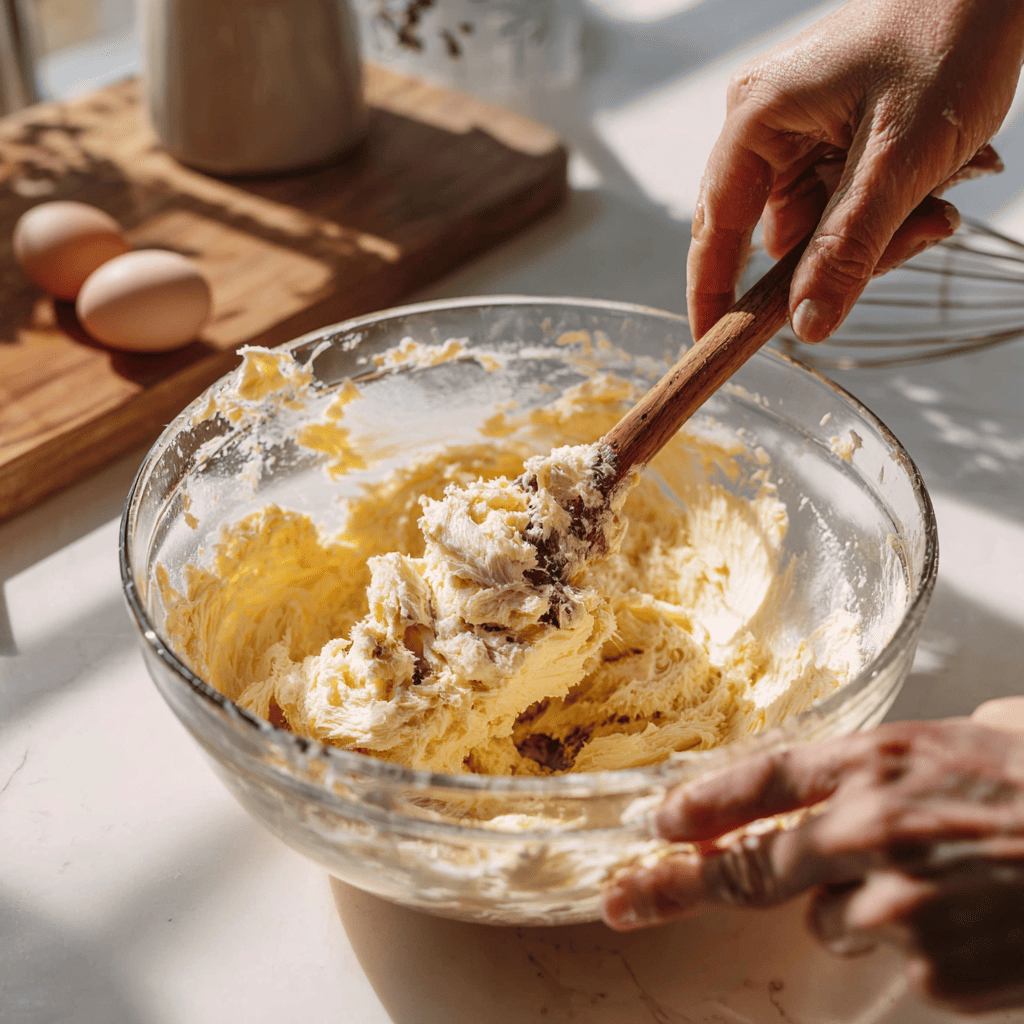
1. Moisture retention
Every chewy cookie starts with the right level of hydration. Ingredients like brown sugar, eggs, and even a spoonful of water work together to trap moisture inside the dough. Corn syrup also plays a subtle but powerful role it holds water molecules, keeping cookies soft long after baking. If you’ve ever made my No-Bake Pumpkin Pie, you know how that added moisture creates a soft, thick texture that stays fresh for days.
2. Sugar type
The type of sugar affects texture as much as sweetness. Brown sugar, packed with molasses, draws in humidity and gives that bendy texture. Using more brown sugar than white keeps your cookies chewy and adds depth of flavor. White sugar, however, promotes spreading, giving that crisp edge everyone loves. For this recipe, I use a perfect 2:1 ratio of brown to white sugar it’s the sweet spot between chewy and caramelized.
3. Fat balance
Fat choice determines structure. Butter provides richness and flavor, but too much makes cookies thin. Peanut butter, with its natural oils, stabilizes the dough and creates a dense, fudgy bite. When creamed together with sugar, it builds micro air pockets that make cookies soft yet sturdy. I also use slightly softened (not melted) butter to maintain that thick, chewy center.
These three elements moisture, sugar, and fat create the chewy chocolate chip cookie texture that holds up even after cooling. The result? Golden edges, soft centers, and a rich, nutty aroma that fills your kitchen.
Bonus Tip: Chill your dough
Here’s a trick professional bakers swear by chill your cookie dough for at least 30 minutes before baking. This step solidifies the fat, slowing down how quickly cookies spread in the oven. It also allows the flour to hydrate fully, deepening flavor and improving chewiness. Chilling gives your chewy chocolate chip cookies that dense, bakery-style bite without adding complexity.
Letting the dough rest overnight? Even better. The flavor develops and the cookies bake thicker, with a deep toffee-like chew that tastes like pure nostalgia.
Baking, Cooling & Storing Chewy Chocolate Chip Cookies
The perfect bake for soft, chewy texture
Once your cookie dough is ready, scoop out ¼-cup portions and place them 3 inches apart on ungreased baking sheets. Bake at 375°F (190°C) for 12–14 minutes, or until the edges are golden and centers still look slightly soft. The secret to a truly chewy chocolate chip cookie lies in this underbaked middle carryover heat continues to cook them after they’re removed from the oven.
Let the cookies rest for exactly one minute on the baking sheet, then move them to a wire rack to cool. That short resting time helps set the edges without drying out the center. The result? A chewy, tender cookie with a light crisp edge and a buttery aroma that fills your kitchen.
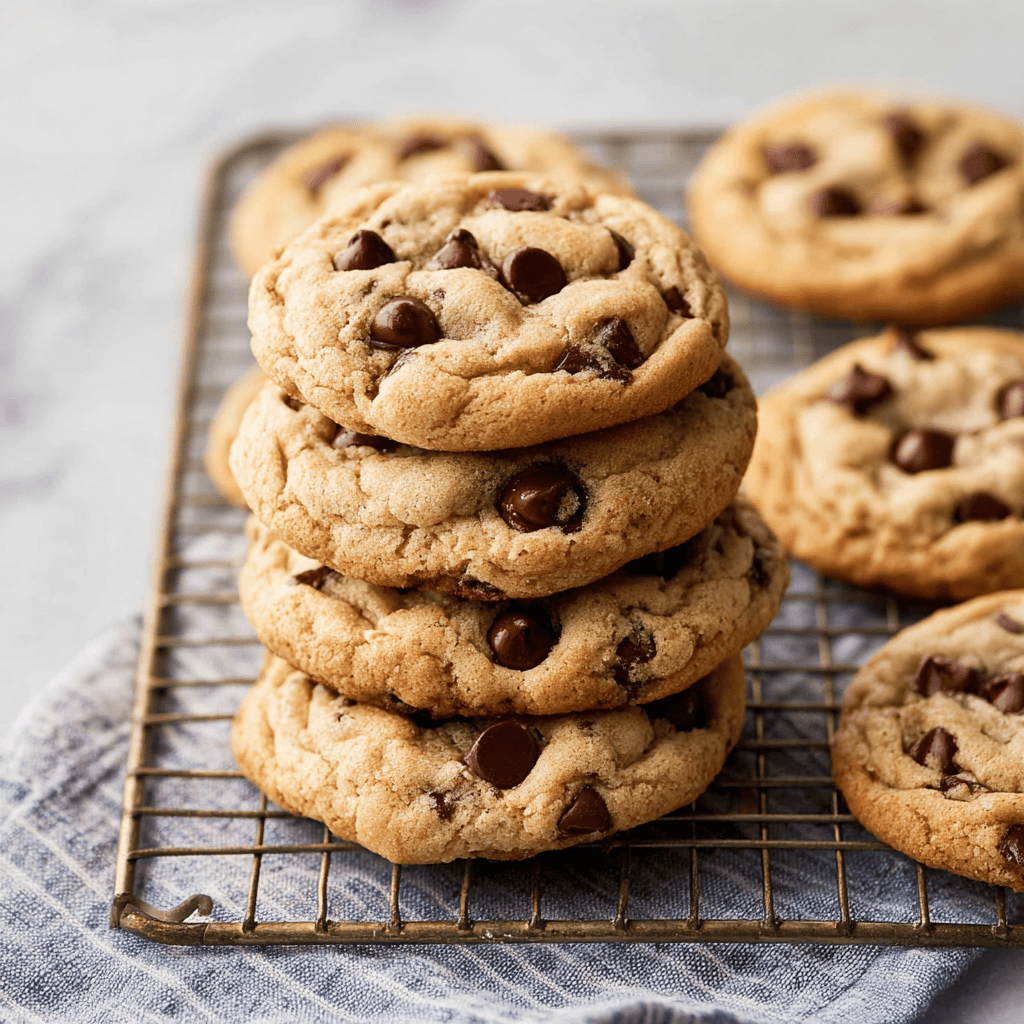
How to keep chewy cookies soft for days
Store your chewy chocolate chip cookies in an airtight container once fully cooled. For extra softness, place a small piece of bread or a marshmallow inside the cookies will absorb the moisture, staying tender for up to five days. If you love freezer-friendly desserts like my No Bake Cookies Recipe or No Bake Cheesecake, you’ll appreciate that these freeze beautifully for up to three months. Simply thaw at room temperature for 20 minutes before serving.
Conclusion
Chewy chocolate chip cookies are the kind of comfort food that never loses their charm. From that buttery aroma to the way each bite melts in your mouth, they remind us why baking at home feels so rewarding. Whether you share them fresh from the oven or freeze a batch for later, this recipe guarantees perfect results every time. With a few simple techniques balanced sugars, soft butter, and the right bake temperature you can master the chewy chocolate chip cookie forever.
And as I always say, if it takes more than 30 minutes or dirties more than two pans, I’m already finding a shortcut. Cookies should be fun, forgiving, and absolutely delicious just like dinner at home.
Fore more recipes follow me on Facebook, Pinterest and Instagram
Frequently Asked Questions
What’s the secret to chewy chocolate chip cookies?
It’s all about moisture and balance. Using brown sugar, corn syrup, and soft butter locks in hydration while baking at a slightly higher temperature seals it inside.
What makes cookies more chewy?
Higher brown sugar content and slightly underbaking your cookies give that bendy, chewy texture. Peanut butter also adds richness that softens the crumb.
What are three factors that contribute to a chewy cookie?
Moisture retention, sugar ratio, and fat content. These three work together to create that perfect dense-yet-tender bite.
Is 325 or 350 better for cookies?
For a classic chewy chocolate chip cookie, bake at 350°F for soft edges and a chewy center. But if you love extra gooey middles, try 375°F.