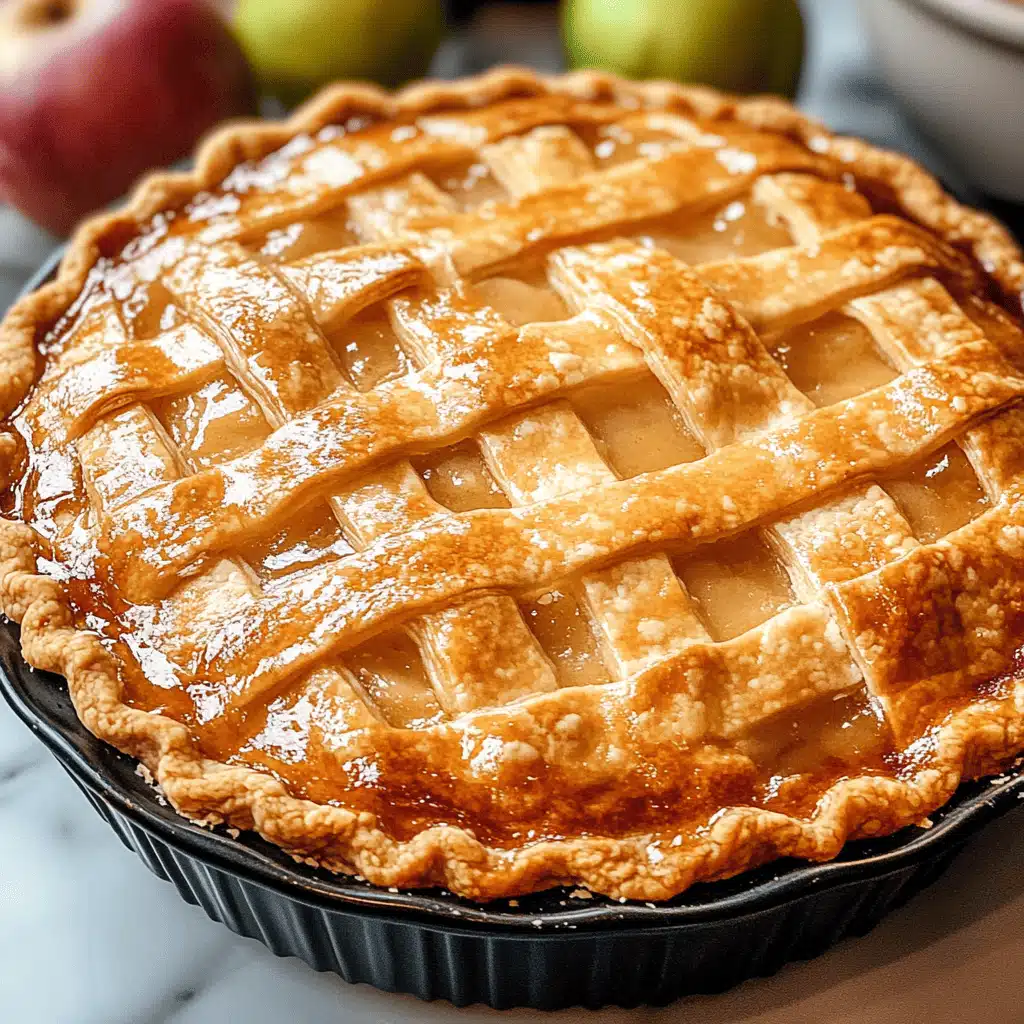
Every pie starts with a promise, a buttery flaky pie crust that melts in your mouth and supports every sweet or savory dream you layer on top. This article will walk you through how to make a foolproof crust that’s tender, crisp, and full of flavor. We’ll uncover what makes it flaky, why butter matters, and how to get that perfect balance between structure and softness. If you’ve ever wondered whether shortening or butter wins, or why some crusts turn tough instead of tender, you’re about to find out.
My Buttery Flaky Pie Crust Story
Why Butter and Family Memories Belong in Every Crust
Hi there! I’m April Marlowe, broadcasting from my sunny little kitchen in Santa Cruz, California. When I first learned how to make Buttery Flaky Pie Crust, it wasn’t from a cookbook it was from watching my dad turn leftovers into something comforting. He didn’t use fancy tools or expensive butter; he just knew when the dough “felt right.” That sense of touch became my biggest teacher.
Now, when I make my buttery flaky pie crust, I still hear my dad’s voice saying, “Don’t rush the dough let the butter stay cold.” And he was right. Cold butter and gentle hands are what make those paper-thin layers appear between bites. The first time I nailed it, I pulled the crust out of the oven, golden and crisp, and thought, this is what comfort tastes like.
This Buttery Flaky Pie Crust has followed me from restaurant kitchens to my cozy Santa Cruz kitchen, where I’ve swapped stainless steel counters for wooden boards and quick fixes. It’s simple enough for a Tuesday night quiche and elegant enough for a holiday pie. When you get it right, you’ll see visible flecks of butter dotting the dough, just like tiny promises of flakiness waiting to bloom in the oven.
If you love this buttery flaky pie crust, you’ll adore how it pairs with my Mini Strawberry Pies, they’re bite-sized joy wrapped in the same golden perfection. And if you’re craving a no-bake twist, try my No-Bake Peanut Butter Pie Oreo for a creamy, chocolatey contrast to this flaky classic.
What Makes This Buttery Flaky Pie Crust So Reliable
A good pie crust is part science, part soul. The magic lies in how butter and shortening play together. Butter gives flavor; shortening gives structure. Together, they create layers that puff and separate beautifully during baking. Every cube of cold fat is a pocket of potential flakiness, waiting to steam and lift your crust.
Using ice-cold water keeps everything chilled so the fat doesn’t melt before baking. And when you see those specks of butter glistening through the dough? That’s a sign you’re doing it right. The buttery flaky pie crust isn’t about perfection it’s about patience, texture, and trusting the dough to tell you when it’s ready.
Once you’ve mastered this base, you can use it for everything from a rustic fruit galette to a silky custard tart. Later in this guide, we’ll cover how to roll, chill, and bake it just like a pro, along with insider tips that make your crust stay flaky even after it cools.
Table of Contents
The Secret to Flakiness in a Buttery Pie Crust
How Butter Creates Layers of Flaky Magic
The secret to a truly buttery flaky pie crust starts long before the oven, it begins with temperature. Cold butter isn’t just a suggestion; it’s the foundation of those tender, shattering layers we all love. When the chilled butter hits the heat of the oven, the water inside it turns to steam. That steam lifts the dough, creating those light, distinct layers that make every bite so irresistible.
Butter adds a rich, authentic flavor that shortening alone can’t match. It gives your crust that golden hue and melt-in-your-mouth texture that home bakers chase for years. I like to cube my butter and pop it in the freezer for five minutes before cutting it into the flour. The colder the fat, the flakier the crust simple as that.
But here’s the trick most people miss about Buttery Flaky Pie Crust: don’t blend the butter too finely. Leave those visible bits of fat. Each chunk becomes a mini steam pocket in the oven, giving the crust its structure. When you roll out the dough and see those butter specks glinting back, you know the flakiness is locked in.
If you’re new to baking, you might find my No-Bake Cheesecake helpful for learning how texture and temperature affect dessert structure it’s a great no-fail confidence booster before diving into pie dough.
Print
Buttery Flaky Pie Crust: The Secret to a Perfect Homemade Pastry
- Total Time: 45 mins
- Yield: 2 pie crusts
- Diet: Vegetarian
Description
The ultimate buttery flaky pie crust that’s tender, crisp, and foolproof. Perfect for sweet or savory pies.
Ingredients
- 2 and 1/2 cups (315g) all-purpose flour
- 1 teaspoon salt
- 6 Tablespoons (85g) unsalted butter, chilled and cubed
- 2/3 cup (130g) vegetable shortening, chilled
- 1/2 cup (120ml) ice cold water
Instructions
- Whisk the flour and salt together in a large bowl.
- Cut in butter and shortening until the mixture resembles coarse meal.
- Add ice water 1 tablespoon at a time, stirring until dough forms clumps.
- Fold the dough gently until it comes together. Do not overwork.
- Divide dough into two discs, wrap in plastic, and refrigerate for at least 2 hours.
- Roll one disc into a 12-inch circle on a floured surface.
- Transfer to pie dish, trim edges, and chill before baking.
- Bake as directed or fill and bake according to your pie recipe.
Notes
- Keep all ingredients cold for maximum flakiness. Chill between steps to maintain texture. Visible butter specks mean success!
- Prep Time: 20 mins
- Cook Time: 25 mins
- Category: Dessert
- Method: Baking
- Cuisine: American
Shortening: The Unsung Hero of Structure
While butter steals the flavor spotlight, shortening is the quiet helper that makes your buttery flaky pie crust strong enough to hold any filling. It melts more slowly than butter, allowing it to remain solid longer while baking. That gives you more time for steam pockets to form, which means more layers and less shrinkage.
When you blend butter and shortening, you get the best of both worlds, flavor from butter, stability from shortening. It’s why this recipe calls for both. The shortening gives your crust its tender crumb and crisp snap, while the butter provides richness and that golden edge that makes it shine.
If you’ve ever wondered whether your crust should crumble or flake, the answer is both. The shortening ensures tenderness, and the butter adds that delicate flakiness. Together, they make a crust that’s crisp on the outside and soft on the inside, perfect for fruit pies, custards, and even savory quiches.
For a pie that pairs beautifully with this crust, try my Best Apple Cake. Its spiced apple filling complements the buttery layers perfectly and showcases just how versatile this dough can be.
Rolling, Chilling, and Baking Your Buttery Flaky Pie Crust
Why Chilling Is the Golden Rule
Once your dough is mixed and divided into discs, it’s time to chill, and I mean really chill. Refrigeration is where the magic happens. Those cold fats relax, and the gluten tightens just enough to hold everything together. Without this step, your pie crust would shrink and lose its flaky texture in the oven.
Always refrigerate the dough for at least two hours before rolling. This resting time gives the flour a chance to hydrate, which helps the dough stay smooth when you roll it out. When you unwrap it, you’ll notice it’s firm but still pliable, perfect for shaping. If it feels too hard, let it rest at room temperature for 10 minutes before working with it.
A pro tip I learned early on: never skip the chill between steps. I even pop the rolled-out dough into the fridge for 10 minutes before transferring it to the pie dish. That extra chill helps the crust keep its shape while baking and enhances those flaky layers we’re after. You can see similar techniques used in my No-Bake Pumpkin Pie, where setting layers is key to perfect texture.
Rolling Out: Gentle Hands, Even Pressure
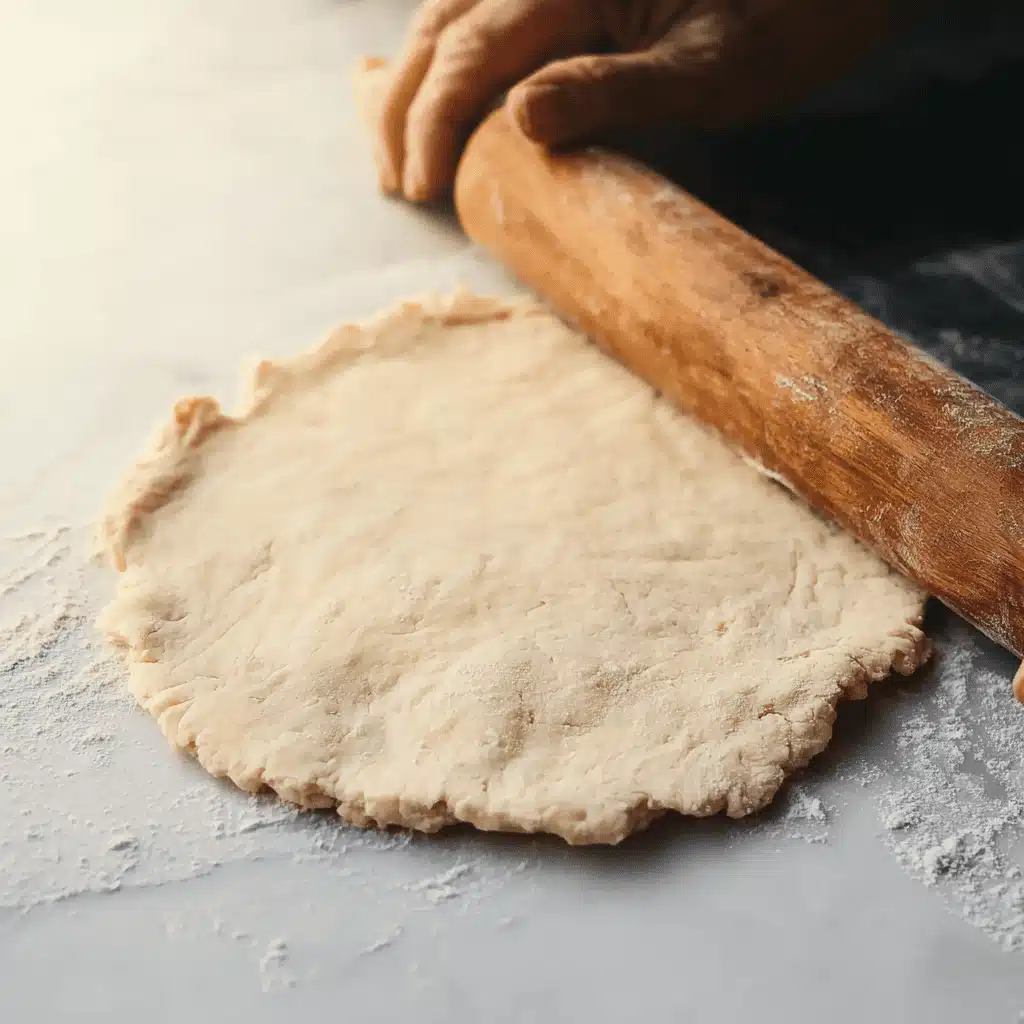
When you’re ready to roll, dust your counter, rolling pin, and hands lightly with flour. Start from the center and roll outward in gentle, even strokes, turning the dough frequently to maintain a round shape. Think of it as coaxing the dough, not forcing it. The goal is a smooth 12-inch circle about 1/8-inch thick.
If your dough cracks at the edges, don’t panic, it’s just cold butter doing its job. Use your fingers to gently press it back together. If it’s sticking, add a touch more flour. Rotate and lift as you go to ensure nothing sticks underneath. Overworking is your enemy here every extra press breaks down those buttery layers.
When your dough is ready, roll it gently over your pin and unroll it across the pie dish. Let it settle naturally; don’t stretch it. Press the edges gently into the pan to fit the contours. If you press too hard, you risk toughening the crust or causing shrinkage during baking.
Your finished dough should show tiny specks of butter throughout, that’s visual proof of flakiness. Before baking Buttery Flaky Pie Crust, chill the lined pie dish for another 15 minutes. This final chill locks in shape and ensures the crust won’t slump or melt before it crisps.
For a visual comparison, check out how I handle delicate dough in my Lemon Blueberry Cake recipe it’s the same concept: temperature and patience make perfection.
The Perfect Finish: Baking, Serving, and Storing Your Buttery Flaky Pie Crust
Bake It Like a Pro
Your buttery flaky pie crust is now ready to meet the oven. For a single-crust pie, blind baking is your best friend. Line the chilled crust with parchment paper, then fill it with pie weights or dried beans. Bake at 375°F (190°C) for 15 minutes, then remove the weights and continue baking for another 10 minutes, or until the crust turns golden brown. This ensures the crust stays crisp even under creamy fillings.
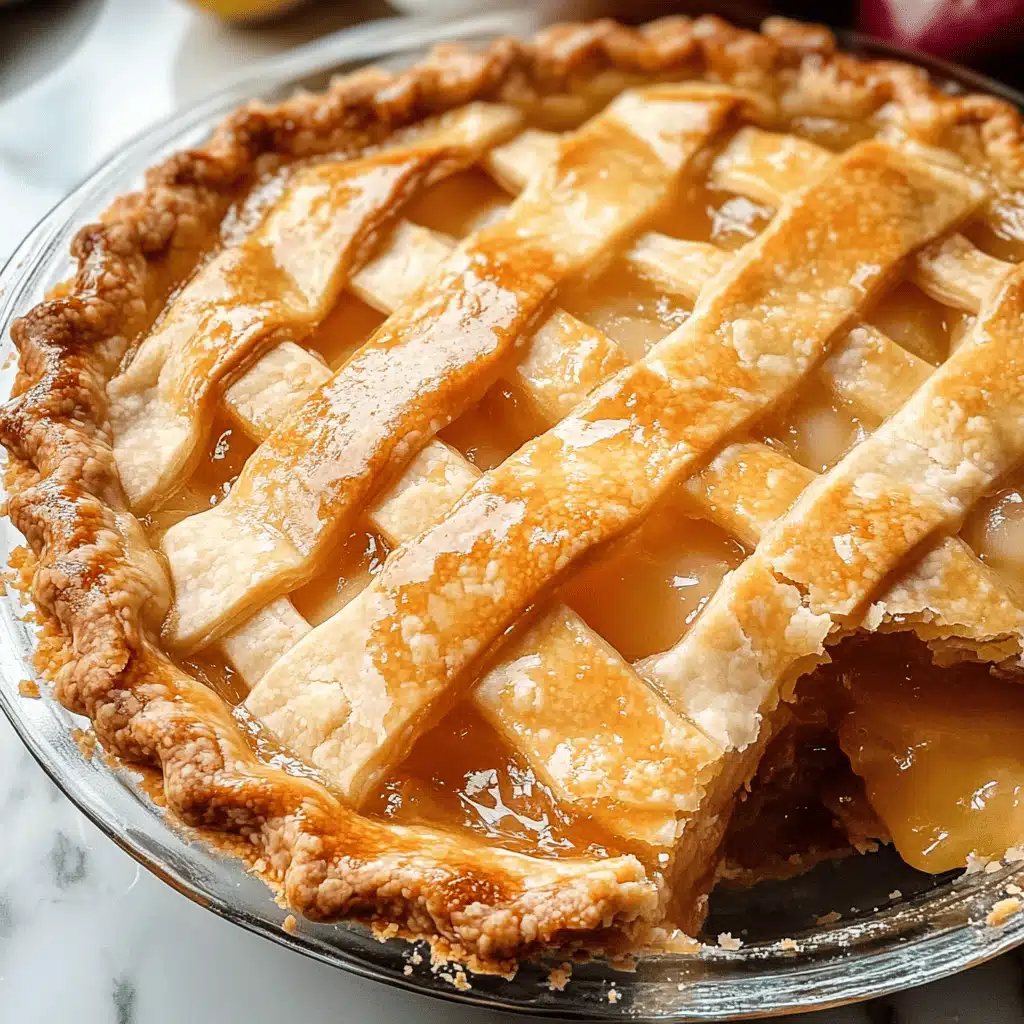
If you’re baking a double-crust pie, brush the top with an egg wash before baking, it adds that beautiful golden sheen. Don’t skip the steam vents either; they let moisture escape, keeping your bottom crust flaky and crisp. You’ll know your crust is perfect when it looks golden brown and feels slightly firm to the touch.
For storage, cover the cooled crust tightly with foil or plastic wrap. It’ll keep in the refrigerator for up to 5 days, or you can freeze it (unbaked or baked) for up to 3 months. Simply thaw overnight before using.
This crust pairs beautifully with fruit-forward desserts like my No-Bake Lemon Dessert or creamy layers like my Easy Lemon Cookies. Both balance the buttery richness with fresh, bright flavors.
Serving Tips and Creative Twists
Don’t be afraid to get creative Buttery Flaky Pie Crust. Use cookie cutters to make decorative edges or cutouts for your top crust. A sprinkle of raw sugar before baking adds a gentle crunch. For savory versions, reduce the sugar and add herbs like thyme or rosemary to the dough, it transforms beautifully for quiches or pot pies.
My favorite variation? Swapping a tablespoon of the ice water for. It helps the dough stay workable without overdeveloping gluten, resulting in a more tender bite. It’s an old restaurant trick that works every time.
Conclusion
A buttery flaky pie crust isn’t just a recipe, it’s a skill that connects patience with pleasure. Whether you’re baking for the holidays or just because, this crust turns any filling into comfort. Once you’ve mastered it, you’ll realize that flakiness is less about perfection and more about trust trusting the dough, the butter, and your instincts.
Like every recipe from my kitchen, this one comes from a place of warmth. It’s meant to make your home smell wonderful and your table feel full. So go ahead, roll up your sleeves and bake a little joy today.
For more easy, feel-good recipes, browse www.easyrecipesapril.com.
Fore more recipes follow me on Facebook, Pinterest and Instagram
Frequently Asked Questions
What is the secret to a Buttery Flaky Pie Crust?
Cold ingredients and minimal handling. Keeping butter and shortening chilled creates steam pockets that puff into flaky layers when baked.
What makes the flakiest pie crust?
A combination of butter for flavor and shortening for texture. Rolling gently and chilling between steps also prevents gluten from toughening the dough.
Is pie crust better with Crisco or butter?
Both. Crisco gives structure, while butter adds rich flavor. The mix delivers a crust that’s tender, flavorful, and holds its shape.
How to make flaky pastry with butter?
Start with cold butter, cut it into flour until pea-sized, and add ice-cold water slowly. Handle the dough gently and chill it before baking to keep those buttery layers intact.