I still remember the first time I made galaktoboureko Recipe, that beautiful Greek custard pie layered with buttery phyllo and drenched in warm syrup. My dad and I were in the kitchen, surrounded by leftover phyllo sheets from a savory pie. He said, “Why don’t we make something sweet?” That simple suggestion turned into a golden, custard-filled masterpiece that filled the house with the scent of butter and vanilla.
That’s what I love about this dessert, it’s rich, homey, and surprisingly easy. You don’t need fancy tools or bakery skills, just patience and a little love. The creamy semolina custard, crisp pastry, and fragrant syrup make every bite a blend of textures and warmth.
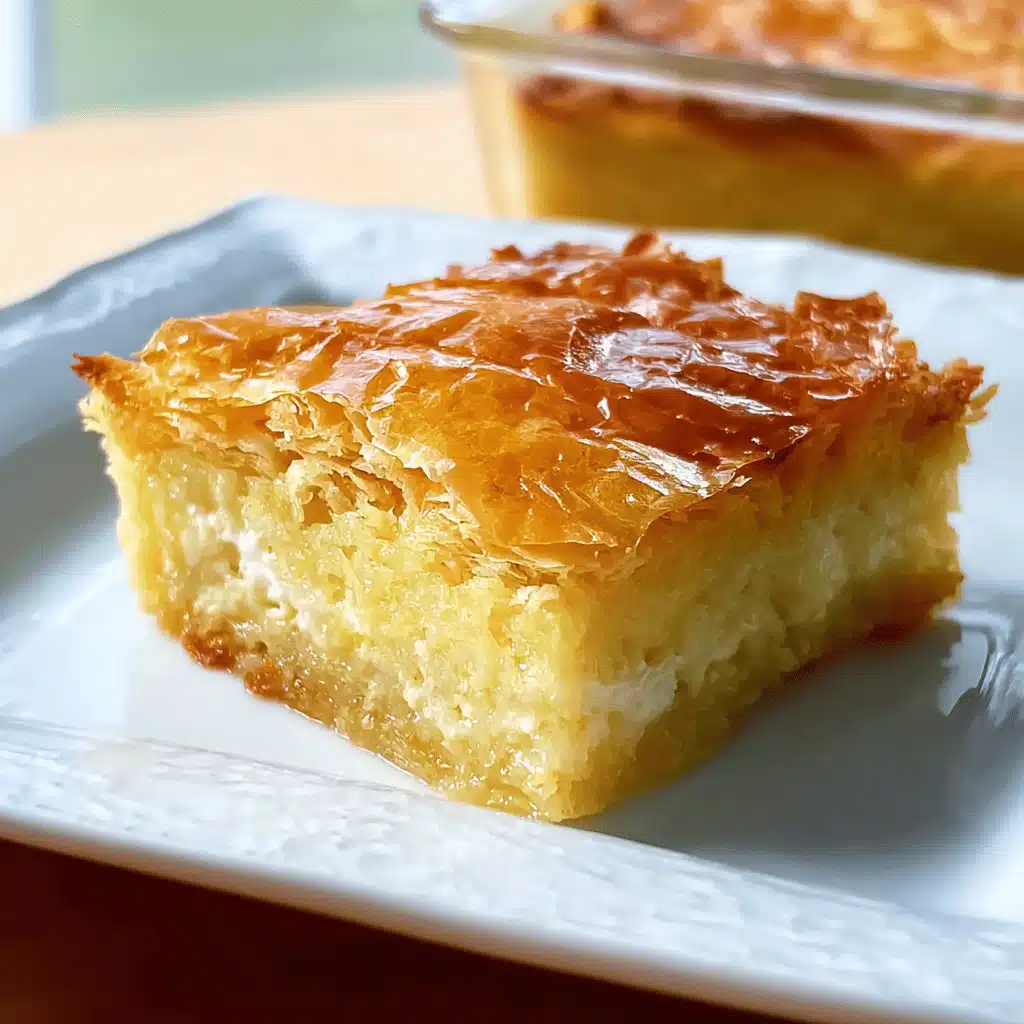
If you’ve never baked Greek desserts before, this galaktoboureko recipe is the perfect place to start. It’s simple, forgiving, and endlessly rewarding. Whether you’re baking for a celebration or just because you need something sweet, this dish never disappoints.
Around here at EasyRecipesApril.com, I like to keep things doable, just like my Red Velvet Cake, which share that same cozy Mediterranean flavor.
In this recipe, we’ll walk step-by-step through the process: how to whisk the creamy custard, layer the delicate phyllo, bake to golden perfection, and finally pour that syrup that makes it all come alive.
So grab your apron and a warm heart, let’s make a galaktoboureko that’ll make your kitchen smell like a Greek bakery.
Table of Contents
Custard & Phyllo Perfection
The Secret to That Creamy Custard
Every truly delicious galaktoboureko recipe begins with its heart, the custard. It’s soft, fragrant, and perfectly creamy without being heavy. The magic starts with just a few ingredients: milk, semolina flour, cornstarch, sugar, and eggs. The secret is timing. Whisk your dry ingredients first so there are no lumps, then slowly pour them into warm milk while stirring constantly. You’ll feel the texture shift from thin to thick as the custard forms a velvety cream.
In a separate bowl, beat your eggs with sugar until pale and fluffy, this adds air and structure. When you fold that mixture into the hot semolina base, everything transforms into a rich, glossy custard that tastes like a cross between pudding and pastry cream. Add a splash of vanilla extract, and your kitchen instantly smells like home.
If you enjoy custard-based sweets, you’ll love how similar this process feels to my Chewy Chocolate Chip Cookie or No Bake Energy Bites, both smooth, comforting desserts that rely on slow stirring and patience.
Print
Galaktoboureko Recipe: My Sweet Slice of Greek Comfort
- Total Time: 2 hrs 30 mins
- Yield: 16 squares
- Diet: Vegetarian
Description
- A creamy semolina custard layered between buttery phyllo sheets, baked to perfection, and soaked in golden syrup for an authentic Greek dessert.
Ingredients
2 ½ cups white sugar, divided
1 cup semolina flour
3 ½ tablespoons cornstarch
¼ teaspoon salt
6 cups whole milk
6 large eggs
1 teaspoon vanilla extract
¾ cup butter, melted
12 sheets phyllo dough
1 cup water
Instructions
- Whisk 1 cup sugar, semolina, cornstarch, and salt until combined.
- Heat milk in a saucepan until boiling; gradually whisk in semolina mixture until thick.
- Beat eggs with ½ cup sugar for 10 minutes until pale; stir in vanilla.
- Fold egg mixture into warm custard and cool slightly.
- Butter a 9×13-inch baking dish. Layer 7 phyllo sheets, brushing each with melted butter.
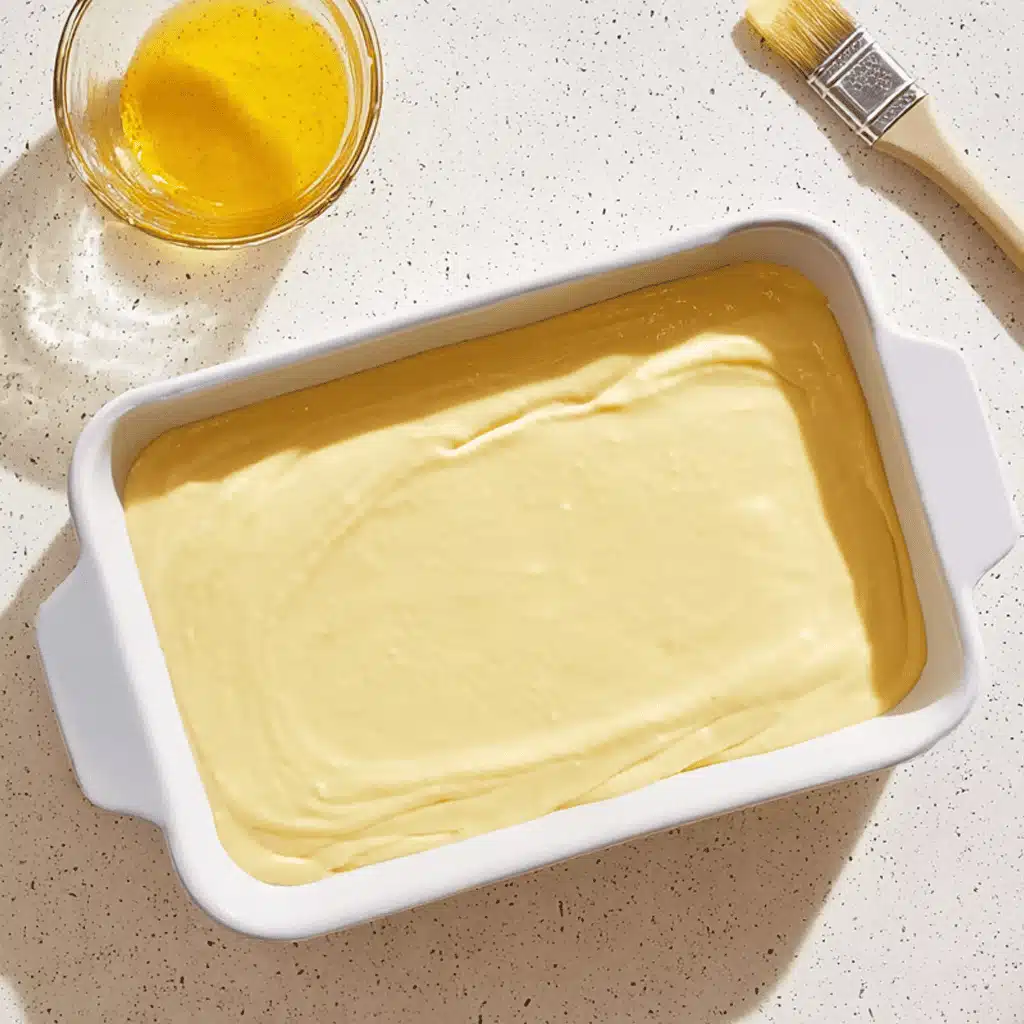
- Pour custard into the dish and cover with remaining sheets, brushing each with butter.
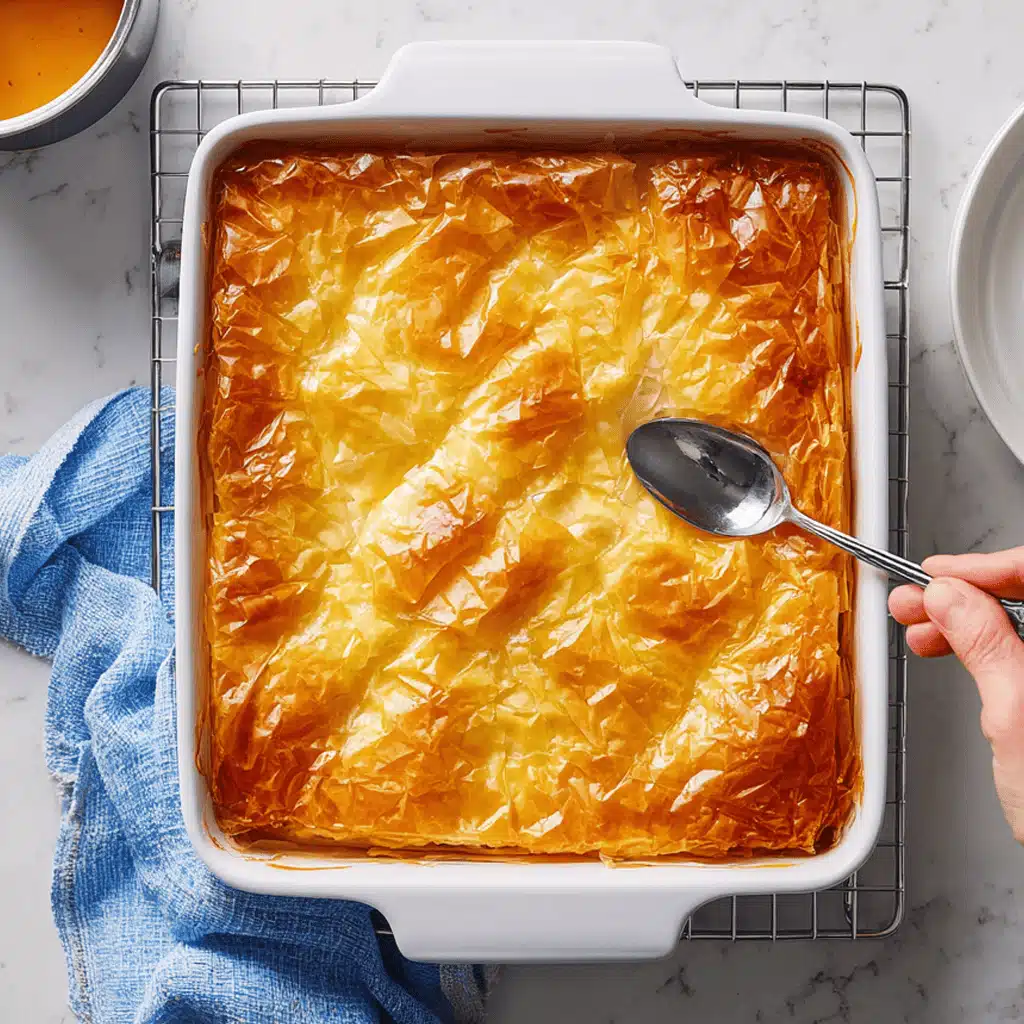
- Bake at 350°F (175°C) for 40–45 minutes until golden and set.
- In a saucepan, combine remaining 1 cup sugar with water and bring to a boil for 5 minutes.
- Pour hot syrup over hot pastry and allow to cool completely.
- Cut into squares and serve at room temperature.
Notes
- For a citrusy flavor, add a strip of lemon peel or a cinnamon stick to the syrup while boiling.
- Serve with Greek coffee or black tea for a classic pairing.
- Prep Time: 1 hr 40 mins
- Cook Time: 50 mins
- Category: Dessert
- Method: Baking
- Cuisine: Greek
Layering the Phyllo Dough Just Right
Phyllo dough is thin as paper, but it’s nothing to fear. Keep the stack covered with a damp towel so it stays pliable. Brush each sheet with melted butter as you go, this not only prevents tearing but creates that irresistible golden crunch once baked.
For this galaktoboureko recipe, layer seven buttered sheets at the bottom of a greased pan, pour in the custard, and finish with five more sheets, each brushed again with butter. When it bakes, the top turns crisp while the inside stays soft and custardy. It’s that contrast, the tender cream against the delicate crunch, that makes galaktoboureko unforgettable.
Baking & Syrup Magic
Bringing the Galaktoboureko Recipe to Life in the Oven
Baking the Layers to Golden Perfection
Once your creamy custard and buttery phyllo are ready, it’s time for the best part—baking. This is where your galaktoboureko recipe transforms from a simple custard pie into a shimmering Greek masterpiece. Preheat your oven to 350°F (175°C) and make sure your rack is in the center position. You want the heat to be even so that the pastry crisps beautifully without scorching.
Place your filled baking dish on a middle rack and bake for 40 to 45 minutes. During that time, the buttered phyllo sheets will puff up gently, turning golden brown as the custard beneath sets into a luscious, pudding-like layer. You’ll smell hints of butter and vanilla drifting through your kitchen, the sure sign your galaktoboureko recipe is almost ready.
Keep an eye on the color. The top should be a deep golden hue, never pale or overly dark. When it looks just right, remove it from the oven and place the dish on a cooling rack. Don’t slice it yet, this dessert needs a few minutes to settle while you prepare the syrup, the finishing touch that gives it its signature glossy sheen and unforgettable flavor.
If you enjoy baking Greek-inspired treats, you might also love my No Bake Lemon Dessert or No Bake Peanut Butter Pie Oreo, both syrup-soaked desserts that pair perfectly with a hot cup of coffee or tea.
The Sweet Science of Syrup
The syrup is where the magic happens. Combine 1 cup sugar and 1 cup water in a small saucepan, then bring it to a gentle boil. Once it starts bubbling, let it simmer for about five minutes until it thickens slightly. You’re not looking for a heavy syrup, just something light that will soak easily into the pastry.
To give it extra aroma, drop in a strip of lemon peel or a small cinnamon stick while it simmers. Some people add a touch of honey or orange blossom water for a floral note, it’s entirely up to you.
Here’s the most important trick: both your syrup and your pastry should be hot when combined. As soon as your galaktoboureko recipe comes out of the oven, slowly ladle the syrup over it. You’ll hear a gentle hiss as the liquid seeps through the flaky layers. The phyllo will drink up the syrup, turning glossy and slightly caramelized at the edges.
Let it cool completely so the syrup has time to settle into every corner. When you finally cut into it, each piece will be tender, buttery, and fragrant, a perfect balance of crisp pastry and creamy custard. That’s the true magic of an authentic galaktoboureko recipe.
Serving & Storage Tips
The Joy of Serving Galaktoboureko
There’s something deeply satisfying about cutting into a freshly baked galaktoboureko recipe. The pastry crackles lightly beneath your knife, revealing a smooth, pale custard that still glows from the warmth of the syrup. You’ll smell the buttery layers and faint vanilla in the air before your fork even touches the plate. That first bite? Crispy, creamy, and fragrant all at once, a true Greek comfort dessert.
After baking, allow the galaktoboureko recipe to cool completely at room temperature. This resting period helps the custard firm up while allowing the syrup to fully soak through the layers. Don’t rush it; patience is the secret ingredient here. Once cooled, use a sharp knife to cut neat squares or diamonds, depending on your preference. The edges will be slightly sticky from the syrup, so a small offset spatula helps to lift each piece perfectly.
This dessert shines on its own, but you can also serve it with a sprinkle of powdered sugar or a light drizzle of honey for extra sweetness. A dollop of whipped cream or a scoop of vanilla ice cream can turn it into a restaurant-worthy finish. Personally, I love pairing it with a strong Greek coffee or an espresso, something dark and slightly bitter to offset the sweetness.
If you’re making a full Greek-inspired meal, galaktoboureko makes the perfect finale after No Bake Pumpkin Pie or No Bake Cheesecake. It brings balance to savory, herby dishes and adds that warm, homey note at the end of dinner.
How to Store and Enjoy Later
Leftovers are a treat in themselves. Once completely cooled, store your galaktoboureko recipe in an airtight container. If your kitchen is cool, it’s fine at room temperature for up to 24 hours, but for longer freshness, keep it refrigerated for up to three days. The syrup acts as a natural preservative, keeping the custard moist and the pastry flavorful.
When chilled, the texture changes slightly, the custard becomes firmer, almost pudding-like, while the phyllo softens just enough to create a melt-in-your-mouth experience. Avoid reheating in the microwave or oven, as that can separate the custard and make the syrup runny. Instead, serve it cold or at room temperature. Many Greek families even prefer it that way, claiming the flavors deepen overnight.
Every slice of this galaktoboureko recipe tells the same story: love layered between buttered sheets of pastry, comfort wrapped in sweetness, and tradition that feels timeless. Whether it’s your first attempt or your fiftieth, this dessert always tastes like something worth celebrating.
Conclusion
Every time I bake this galaktoboureko recipe, I’m reminded that the simplest ingredients, milk, eggs, sugar, butter, and patience, can turn into something extraordinary. It’s not just a dessert; it’s a celebration of comfort, warmth, and family.
From the first buttery layer of phyllo to the last drizzle of syrup, every step feels like a quiet ritual. You whisk, you layer, you wait, and when it finally comes out of the oven, it rewards you with that golden crackle and custard so smooth it melts on your tongue.
If this was your first time trying a Greek dessert, you’ve just discovered a timeless favorite. And if it wasn’t, you already know, once you make galaktoboureko, you’ll find excuses to make it again.
So go ahead, serve it proudly, share it generously, and remember: food like this isn’t just meant to be eaten, it’s meant to be remembered.
Fore more recipes follow me on Facebook, Pinterest and Instagram
Frequently Asked Questions About galaktoboureko recipe
What are the ingredients in galaktoboureko Recipe?
A classic galaktoboureko recipe uses everyday staples, milk, semolina flour, sugar, eggs, butter, and vanilla for the custard, plus phyllo dough for the layers and a simple syrup made with sugar and water. Some families add a hint of lemon peel or cinnamon to the syrup for an aromatic twist.
What’s the difference between bougatsa and galaktoboureko Recipe?
While both are Greek custard-filled pastries, bougatsa is typically lighter and served with powdered sugar and cinnamon instead of syrup. Galaktoboureko, on the other hand, is syrup-soaked, giving it a glossy finish and a richer texture. Bougatsa is also often served warm for breakfast, whereas galaktoboureko is a full dessert meant to be savored slowly.
What is the best filling for galaktoboureko?
The best filling is a smooth, thick custard made from semolina, milk, eggs, and vanilla. This mixture bakes into a soft, sliceable texture that’s creamy but not runny. A well-balanced custard complements the crisp phyllo and sweet syrup perfectly.
What is the English name for galaktoboureko?
Translated loosely, galaktoboureko means “milk pie” or “semolina custard pie.” It’s Greece’s answer to a custard slice, decadent, syrupy, and layered with flaky pastry. But truthfully, there’s no direct English name that does it justice; galaktoboureko simply is what it is, a dessert in a class of its own.