Introduction
If there’s one cookie that captures the comfort of home and the joy of the holidays, it’s German Honey Cookies. Known in Germany as Honigkuchen or Lebkuchen, these golden treats are soft, buttery, and filled with the natural sweetness of honey. Their gentle spice and tender crumb make them perfect for cozy evenings or festive gatherings. In my sunny Santa Cruz kitchen, I bake these cookies every December, filling the air with warmth and nostalgia. Whether you’re a first-time baker or a seasoned pro, this recipe promises simplicity, flavor, and a taste of timeless German tradition.
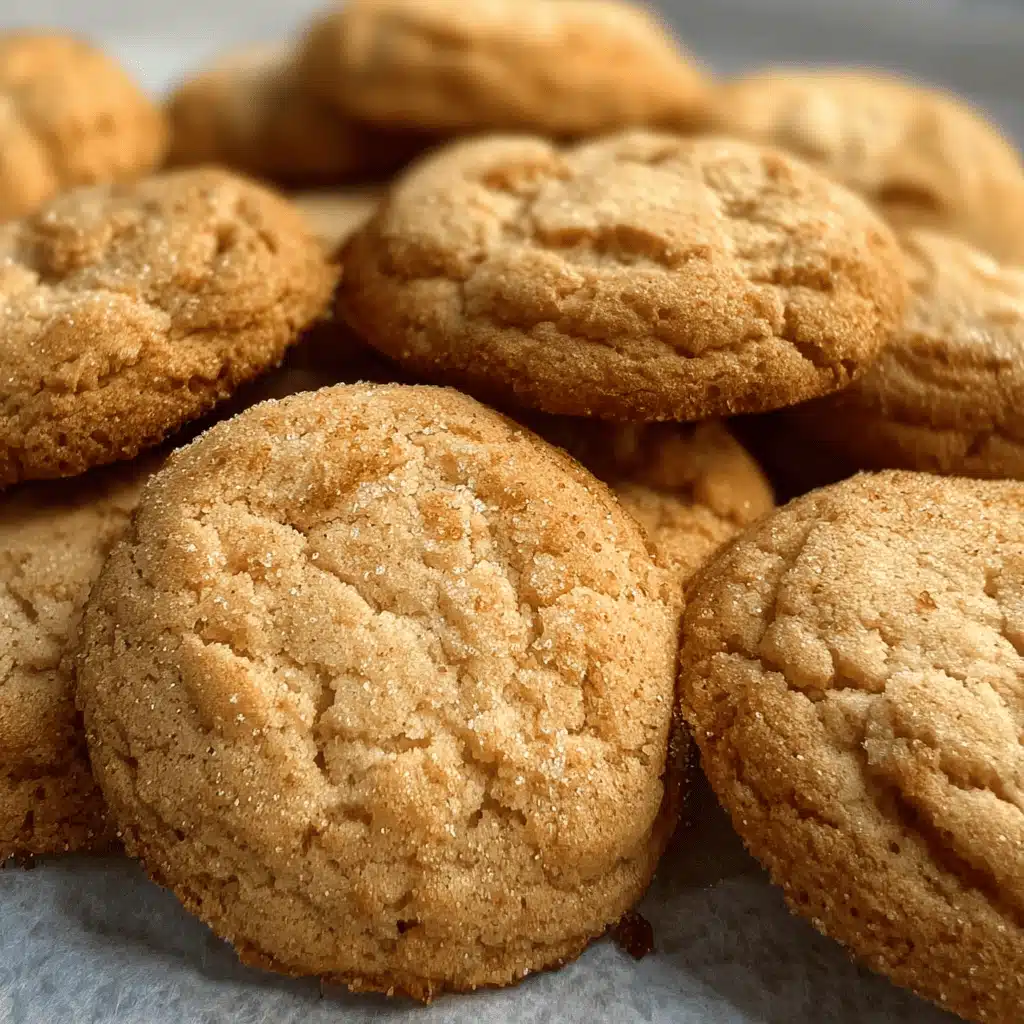
The Story Behind German Honey Cookies
A Family Memory with Honey and Warmth
Every great recipe has a story, and for me, German Honey Cookies remind me of what cooking really means, connection. My dad used to say that honey is “sunshine you can taste.” Growing up, we didn’t bake fancy desserts, but every so often, a jar of honey would inspire something magical. Years later, while learning about German baking traditions, I discovered Honigkuchen, and it instantly felt familiar. These cookies are more than a sweet treat, they’re about turning simple ingredients into something that brings people together.
In Germany, honey cookies are often baked in winter, when the air is cold, and kitchens are filled with the comforting smell of butter, spice, and caramelized sugar. The tradition goes back centuries to Nuremberg, a city known for its spice trade and festive markets. Bakers there perfected Lebkuchen, combining local honey with exotic spices like cinnamon, cloves, and ginger. The result was a cookie that could last through the long winter months while filling homes with warmth.
When I first baked them myself, I understood why generations of German families cherish them. There’s something grounding about watching honey melt into butter, the kitchen filling with its golden aroma. These cookies bridge old-world charm and modern simplicity, easy to make yet rich with heritage.
Table of Contents
From Tradition to My Santa Cruz Kitchen
Here in Santa Cruz, my kitchen has become my favorite kind of classroom. Each December, I roll out a new batch of German Honey Cookies, a recipe that blends my coastal California roots with European tradition. I use local wildflower honey, but the essence remains the same: sweet, spiced comfort baked into every bite.
While the recipe is wonderfully simple, just sugar, honey, butter, flour, and a touch of ginger, it carries the spirit of something deeper. Every time the oven door opens, it’s a reminder that good food doesn’t need to be complicated to be meaningful.
If you love cozy bakes like these, you might also enjoy my No Bake Cheesecake or the festive No-Bake Peanut Butter Pie Oreo, both of which pair beautifully with a warm mug of tea and good company.
How to Make German Honey Cookies Step-by-Step
Gathering the Simple Ingredients
What I love most about German Honey Cookies is that they rely on pantry staples to create something extraordinary. You’ll need butter, sugar, honey, eggs, flour, a touch of ground ginger, and vanilla. That’s it, no complicated techniques or specialty tools. This recipe makes about two dozen cookies, and the ingredients blend beautifully to create soft, fragrant treats that keep well for days.
Begin by preheating the oven to 350°F (175°C) and preparing your baking sheets with parchment paper for easy cleanup and even baking. While the oven warms, melt 1 cup sugar, 1 cup butter, and 1 cup honey together in a saucepan over low heat. Stir gently until the mixture turns smooth and glossy. The aroma alone is enough to make anyone linger in the kitchen. Once melted, set the pan aside to cool completely.
If you like easy bakes like this one, you’ll find more cozy recipes on my site, like Chocolate Cake Recipe and Carrot Cake Recipe. They’re just as comforting and simple to follow.
Print
German Honey Cookies: The Sweet Tradition That Feels Like Home
- Total Time: 30 mins
- Yield: 24 cookies
- Diet: Vegetarian
Description
- Soft and buttery German Honey Cookies with gentle ginger spice, caramelized honey flavor, and the comforting warmth of traditional Lebkuchen.
Ingredients
- 1 cup white sugar
- 1 cup butter or shortening
- 1 cup honey
- 2 large eggs
- 1 teaspoon vanilla extract
- 1 teaspoon baking soda
- 1 teaspoon ground ginger
- 4 cups all-purpose flour
Instructions
- Preheat oven to 350°F (175°C). Line baking sheets with parchment paper.
- Melt sugar, butter, and honey in a saucepan over low heat until smooth. Let cool completely.
- Whisk eggs, vanilla, baking soda, and ginger together in a bowl.
- Gradually stir the egg mixture into the cooled honey mixture until combined.
- Add flour one cup at a time until a soft dough forms.
- Drop dough by teaspoonfuls onto baking sheets about 2 inches apart.
- Bake for 12–15 minutes, or until golden brown around the edges.
- Cool on baking sheets for 5 minutes, then transfer to wire racks to cool completely.
Notes
- These cookies taste even better the next day as the honey deepens in flavor. Store in an airtight tin for up to a week.
- Prep Time: 15 mins
- Cook Time: 15 mins
- Category: Dessert
- Method: Baking
- Cuisine: German
Mixing the Dough and Baking to Perfection
When the honey mixture is cool, whisk together 2 eggs, 1 teaspoon vanilla extract, 1 teaspoon baking soda, and 1 teaspoon ground ginger in a large bowl. Slowly add this to your honey mixture, stirring well. Then, mix in 4 cups of flour, one cup at a time, until you have a soft, smooth dough. It should be thick enough to scoop without sticking to your hands.
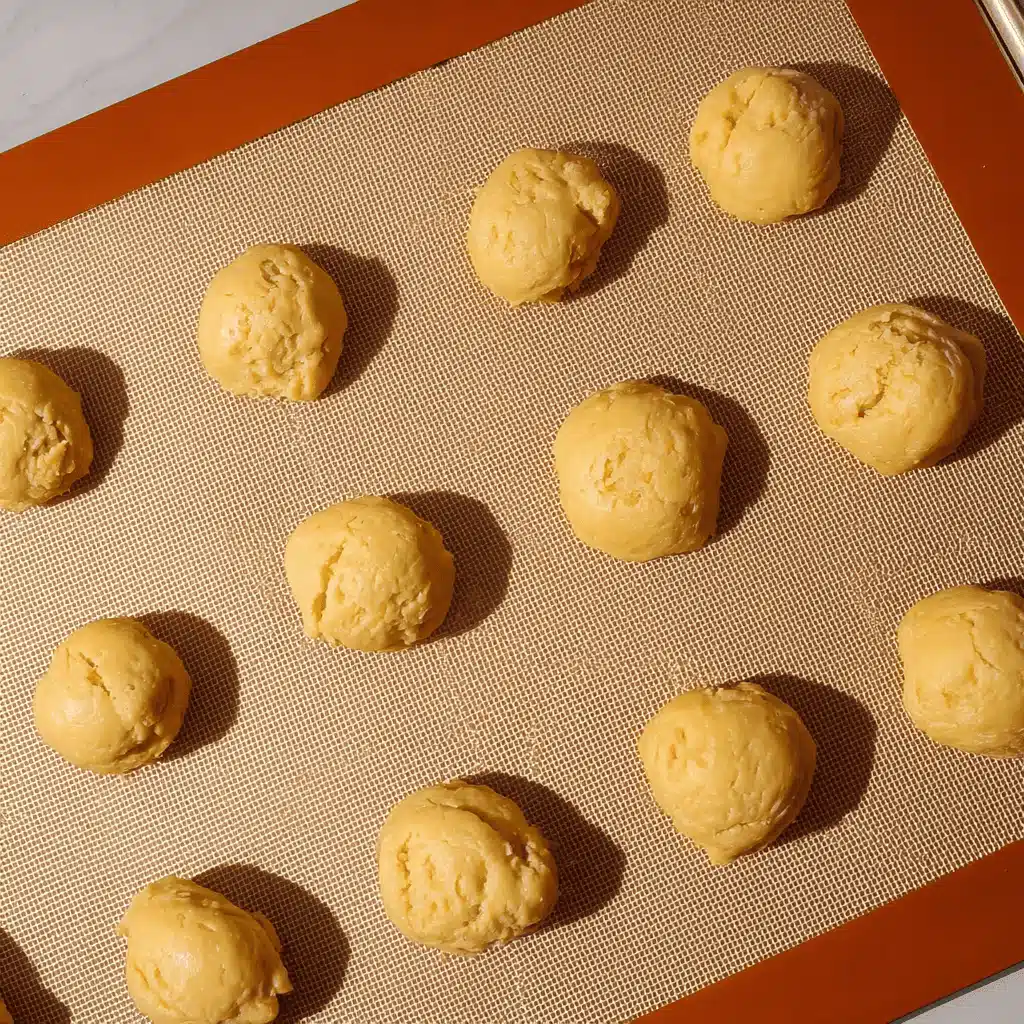
Drop spoonfuls of dough onto your prepared baking sheets, spacing them about 2 inches apart. Bake for 12–15 minutes, until the edges turn golden and the centers puff slightly. The scent that fills the air is pure nostalgia, a sweet mix of honey and warm spice. Let the cookies cool on the sheet for five minutes, then transfer them to a wire rack.
The beauty of these German Honey Cookies lies in their texture, slightly crisp at the edges, soft in the middle, and full of honeyed sweetness. Every bite tastes like the comfort of home.
Cultural Roots and Variations of German Honey Cookies
The Sweet History of German Honey Cookies
Every country has a dessert that feels like its heart, and in Germany, that honor belongs to German Honey Cookies. Known as Lebkuchen or Honigkuchen, these cookies trace their history back to medieval monasteries. Monks baked them with honey harvested from nearby hives and spices traded along ancient routes from Asia. Honey was not just a sweetener; it was a preservative that kept baked goods fresh through long winters.
In the 13th century, the city of Nuremberg became the epicenter of Lebkuchen making. Bakers combined honey, flour, nuts, and aromatic spices, crafting treats for royalty and religious celebrations. Over time, each region added its own twist, some using almonds and candied citrus peel, others glazing their cookies with sugar or chocolate. What remained constant, though, was the golden sweetness of honey, the same comforting flavor that defines this recipe today.
If you love exploring global traditions, you might enjoy my No Bake Cookies or No-Bake Pumpkin Pie posts, where old-world recipes meet easy, modern techniques.
How German Honey Cookies Evolved Through Time
As centuries passed, German Honey Cookies became a symbol of warmth and generosity. They were gifted to loved ones, shared at winter markets, and used to celebrate life’s milestones. Even now, Lebkuchenherzen, heart-shaped honey cookies, are sold at fairs with sweet messages written in icing.
When German immigrants arrived in America, they brought these cookies with them. Over time, the recipe adapted to available ingredients and simpler home kitchens. Today’s version is easier but still holds the soul of the original. The buttery texture replaces some of the old rye flour, while ground ginger takes the place of more complex spice blends.
What makes these cookies truly special is their balance: rich but not heavy, sweet but never cloying. They’re timeless, bridging generations and continents with one shared flavor, honey. Every time I bake them, I feel a connection not just to history, but to the millions of bakers who’ve made them before.
Tips, Serving, and Storage for Perfect German Honey Cookies
Simple Tricks for the Best Texture
The charm of German Honey Cookies lies in their texture, a gentle balance of crisp edges and soft, chewy centers. To achieve this, patience is key. Always allow the honey mixture to cool completely before adding eggs and flour. If the dough is warm, the cookies can spread too thin and lose that soft bite. For a richer flavor, refrigerate the dough for at least an hour before baking. The rest allows the honey to deepen and the spices to bloom, creating that signature warm sweetness.
Baking sheets lined with parchment paper help the cookies bake evenly and prevent sticking. Avoid overbaking, pull them from the oven when the edges just start turning golden. They’ll continue to firm up as they cool. Once you master these small details, your cookies will come out bakery-perfect every time.
If you enjoy dependable bakes like this one, check out my Pumpkin Chocolate Chip Cookies and Easy Peach Cake for more crowd-pleasing favorites that use similar techniques.
Serving and Storage Secrets
These cookies aren’t just delicious fresh, they actually get better after a day or two. The honey keeps them moist while enhancing their flavor over time. Store them in an airtight container at room temperature for up to a week, or freeze them for up to a month. To keep them soft, add a slice of apple or a piece of fresh bread to the container. It’s a classic baker’s secret that instantly improves your results, like magic.
For presentation, stack them on a rustic plate and dust lightly with powdered sugar. They’re especially delicious served with a hot cup of coffee, your favorite tea, or a warm glass of milk. For a festive touch, drizzle melted chocolate over half the batch or sandwich two cookies together with apricot jam. The sweet and slightly tangy filling balances the buttery base perfectly.
These cookies also make heartfelt gifts. Wrap a few in parchment paper, tie them with a ribbon, and you’ve got a simple, homemade present that tastes like love. Just one bite, and people will ask for your recipe every year.

Conclusion
Baking German Honey Cookies is like bottling the feeling of comfort. From the first swirl of honey melting into butter to the last golden crumb, every step invites warmth and connection. These cookies carry centuries of tradition yet fit perfectly into a modern kitchen, simple ingredients, quick prep, and flavors that taste like celebration. Whether you share them at a holiday gathering or enjoy them with tea on a quiet afternoon, they’ll remind you that joy often lives in the simplest recipes.
For more easy, feel-good recipes, browse www.easyrecipesapril.com.
Fore more recipes follow me on Facebook, Pinterest and Instagram
Frequently Asked Questions About German Honey Cookies
What is a German honey cookie called?
In Germany, these cookies are known as Honigkuchen or Lebkuchen, both translating roughly to “honey cake.” While the English version leans more like a soft cookie, traditional Lebkuchen has a tender, cake-like crumb baked with honey and warm spices. No matter the name, they symbolize holiday comfort and togetherness.
What is the famous cookie in Germany?
The most iconic is Nuremberg Lebkuchen, a centuries-old specialty baked with honey, nuts, and a secret blend of spices. Bakers in Nuremberg guarded their recipes so closely that entire families became known for their signature versions. Today, nearly every German Christmas market still features these cookies in heart shapes and gift tins.
What does Lebkuchen mean in German?
Literally, Lebkuchen combines “Laib” (loaf) and “Kuchen” (cake). Over time, it evolved to describe any honey-spice pastry enjoyed during Advent. Many Germans still bake it as an edible wish for warmth and prosperity during winter.