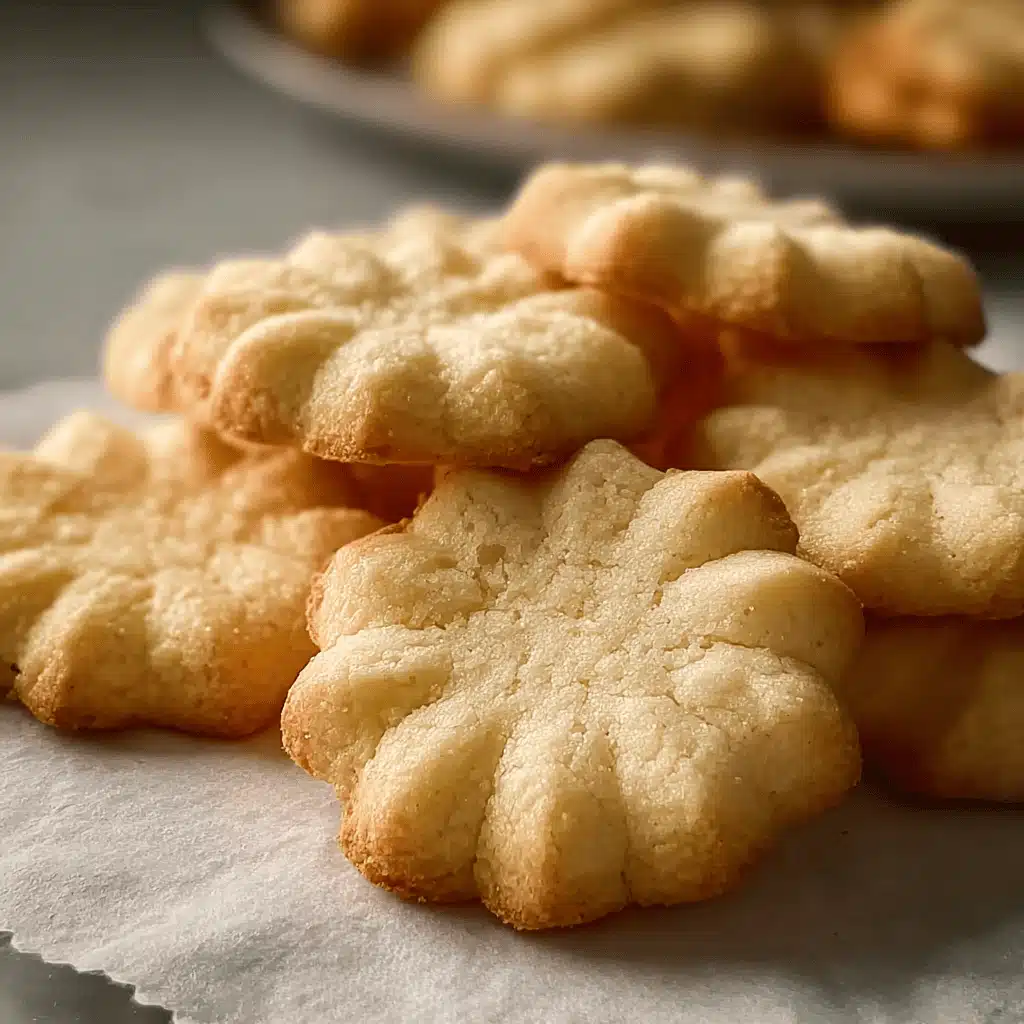
Shortbread cookies are the kind of treat that make any day feel a little more special. With just a handful of ingredients, butter, sugar, flour, and vanilla, you can create a melt-in-your-mouth cookie that’s crisp at the edges and tender at the center. In this article, we’ll look at what makes a perfect shortbread cookie, how to avoid common baking mistakes, and the old-fashioned “1-2-3” rule that still works like magic today. Whether you’re baking for a holiday cookie box or an afternoon tea, this timeless recipe will become your go-to for buttery simplicity and home-baked comfort.
The Story Behind My Favorite Shortbread Cookies
A Memory in Every Bite
Growing up, the first cookies I learned to bake weren’t chocolate chip or sugar cookies, they were classic shortbread cookies. My dad used to say, “If you can make shortbread, you can bake anything.” He wasn’t wrong. With only four ingredients, there’s no hiding behind fancy techniques or frosting. It’s all about balance: soft but structured, buttery but not greasy, crisp but never hard.
I still remember pulling my first batch from the oven and being amazed that something so plain could smell so incredible. That’s the charm of shortbread cookies, they’re proof that simple ingredients, handled right, can taste extraordinary.
These days, I make them whenever I want my kitchen to smell like comfort. Sometimes I’ll drizzle melted chocolate over the tops or sandwich them with raspberry jam for a special touch. They remind me of the holidays, of warm kitchens, and of why I started baking in the first place, to share joy.
If you love cozy, nostalgic bakes, you might also enjoy my Soft Christmas Cookies or the rich, honey-flavored German Honey Cookies, both perfect companions to this shortbread classic.
Table of Contents
Why This Shortbread Cookie Recipe Works
This recipe uses the famous “1-2-3 rule” that expert bakers love: one part sugar, two parts butter, and three parts flour. It guarantees that signature crumbly texture without the need for eggs or leavening. The butter is the real star here, so use good-quality unsalted butter for the best flavor. Beating it with sugar until light and fluffy introduces just enough air to give the cookies a delicate crispness.
You’ll notice there’s no chilling time required, these cookies go straight from the mixing bowl to the oven, making them perfect for busy bakers who still crave homemade goodness. Once baked, they have that perfect golden edge that breaks with a soft snap.
If you like experimenting, you can also check out my Easy Lemon Cookies for a citrus twist or Snowball Cookies Recipe for a powdered-sugar version of buttery perfection.
Print
Shortbread Cookies: The Simple, Buttery Classic Everyone Loves
- Total Time: 25 mins
- Yield: 2 dozen cookies
- Diet: Vegetarian
Description
- Classic buttery shortbread cookies with just four ingredients, soft, crumbly, and melt-in-your-mouth perfect.
Ingredients
- 2 cups butter, softened
- 1 cup white sugar
- 2 teaspoons vanilla extract
- 4 cups all-purpose flour
Instructions
- Gather all ingredients.
- Preheat oven to 350°F (180°C).
- Beat softened butter and sugar together with an electric mixer on medium speed until light and fluffy, about 3 to 4 minutes.
- Stir in vanilla; add flour gradually, mixing until a smooth dough forms.
- Fill cookie press with dough and form cookies onto ungreased cookie sheets, spacing them 1½ inches apart.
- Bake until edges just begin to turn golden brown, about 10–12 minutes.
- Cool on a wire rack and store in an airtight container.
Notes
- Use room-temperature butter for best results.
- Do not overmix after adding flour.
- For variation, add lemon zest or dip cooled cookies in chocolate.
- Prep Time: 15 mins
- Cook Time: 10 mins
- Category: Dessert
- Method: Baking
- Cuisine: Scottish
Mastering the Art of Perfect Shortbread Cookies
Understanding the 1-2-3 Rule for Shortbread
Every great batch of shortbread cookies begins with the 1-2-3 rule: one part sugar, two parts butter, three parts flour. It’s a centuries-old ratio that guarantees balance, sweet but not cloying, rich but not oily, crisp but not dry. When followed closely, it creates that unmistakable short, crumbly texture that melts on your tongue.
Butter quality makes or breaks your shortbread cookies. Use real, unsalted butter softened to room temperature, it should give slightly when pressed but never feel greasy. The sugar (usually white granulated) provides sweetness and structure, while the flour gives body. Avoid overmixing after adding the flour; too much handling develops gluten, leading to dense cookies.
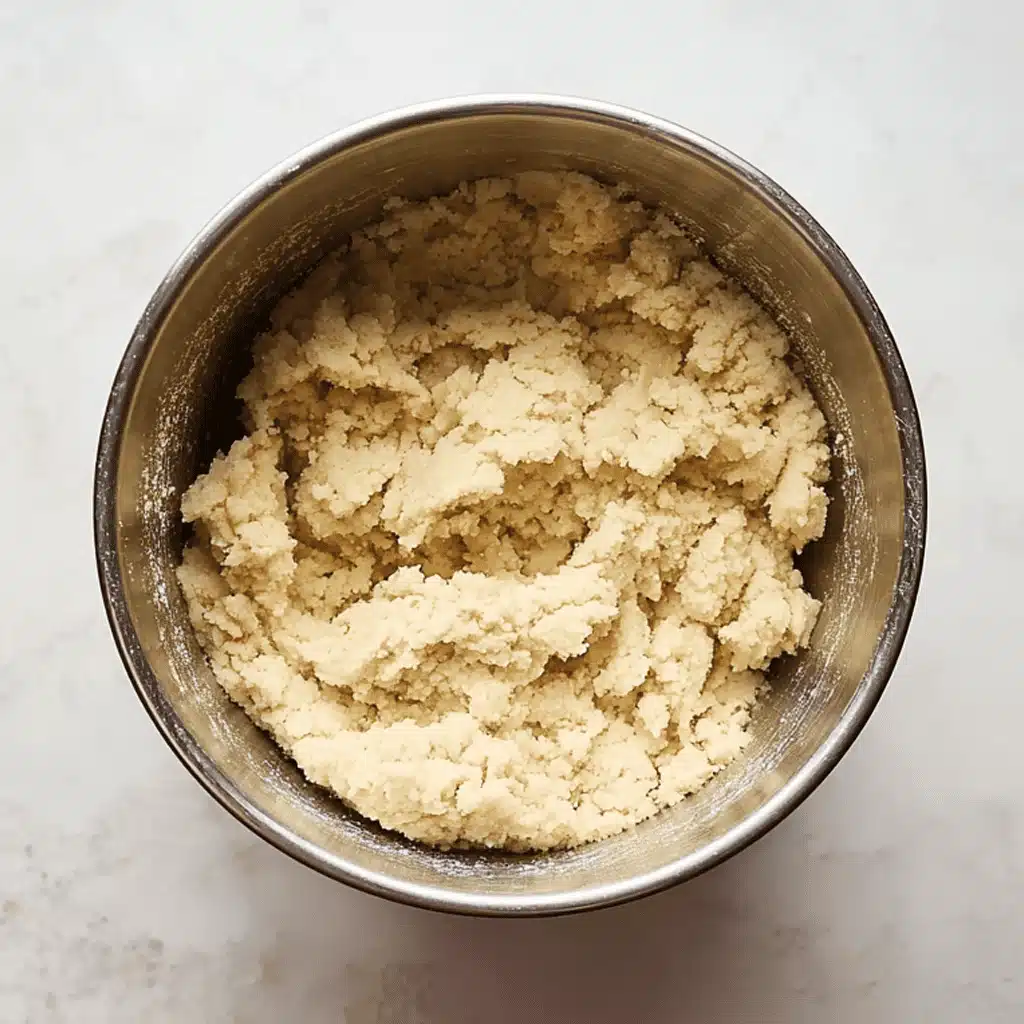
A simple test of good shortbread dough: squeeze a small handful. It should hold together without sticking to your fingers. If it crumbles apart, add a teaspoon of butter at a time until it binds smoothly. This step alone can transform average cookies into bakery-level shortbread.
If you enjoy recipes that depend on precision like this, try my Chewy Chocolate Chip Cookie post, it explains the chemistry behind crisp edges and soft centers using everyday ingredients.
Baking Tips That Make Shortbread Cookies Shine
- Cream Butter and Sugar Just Right: Beat the butter and sugar together until pale and fluffy, this takes about 3 to 4 minutes. Too little mixing leaves a dense texture, while too much air can make cookies spread unevenly.
- Measure Flour Accurately: Spoon flour into the measuring cup and level it with a knife. Scooping directly from the bag compacts the flour and adds extra weight, resulting in dry cookies.
- Don’t Chill the Dough (Unless You Want To): Classic shortbread dough bakes beautifully without chilling. But if your kitchen is warm, a quick 15-minute rest in the fridge helps the cookies hold their shape.
- Watch the Color, Not the Clock: Bake just until the edges start turning golden. The centers will still look pale, that’s exactly what you want. Overbaking steals shortbread’s delicate texture.
- Cool Before Moving: Fresh out of the oven, shortbread cookies are fragile. Allow the cookies to cool on the baking sheet for 5 minutes, then move them to a wire rack to finish cooling.
Once cooled, they’re crisp yet tender, buttery yet light, the definition of perfection. You can even dip them halfway in chocolate or sprinkle with raw sugar for sparkle.
If you love shortbreads that celebrate seasonal flavors, try the Pumpkin Chocolate Chip Cookies or the melt-in-your-mouth No Bake Cookies. They share the same spirit of simplicity and comfort.
Avoiding Common Shortbread Cookie Mistakes
What Not to Do When Making Shortbread Cookies
Shortbread cookies might look simple, but their perfection depends on precision. A small misstep can mean the difference between tender and tough. The most common mistake? Overmixing. Once you add flour, stir just until the dough comes together. Overworking it activates gluten, creating a chewy, bread-like texture instead of that iconic melt-in-your-mouth crumb.
Another frequent issue is using cold butter. If the butter isn’t soft enough, it won’t blend evenly with the sugar. You’ll end up with uneven texture and streaks of fat that melt unpredictably in the oven. Room-temperature butter, soft but not greasy, is key to a smooth, creamy dough.
Also, resist the urge to add water or milk. Traditional shortbread doesn’t need extra moisture; doing so can ruin the balance of fat and flour. The dough might seem dry at first, but keep pressing and folding, it will come together naturally.
For more buttery cookie inspiration, check out the golden layers in my Black Forest Cake or the rich texture of German Honey Cookies. Each shares the same love of balance and simplicity found in great shortbread.
Getting That Perfect Shortbread Texture
Shortbread cookies are all about contrast, a crisp snap on the outside and a buttery crumble inside. To achieve that, temperature control is everything. Bake at 350°F (180°C) and rotate the pan halfway through to ensure even browning. If the edges darken too fast, your oven may run hot; try 325°F next time for gentler baking.
The flour you choose also matters. All-purpose flour works best, but if you prefer a slightly softer bite, replace two tablespoons of flour with cornstarch. This small tweak gives the cookies a lighter, smoother texture without changing the flavor.
After baking, let the cookies cool completely on a rack before storing. Warm cookies trapped in an airtight container create steam and lose their crispness. Once cool, store them in a tin or glass jar, they’ll keep beautifully for up to a week.
If you’re building a cookie box, shortbread pairs wonderfully with Easy Lemon Cookies for brightness and Snowball Cookies Recipe for festive sweetness. Together, they create a perfect mix of buttery, citrusy, and nutty flavors that feel like pure holiday cheer.
Delicious Variations of Shortbread Cookies
Once you’ve mastered the classic shortbread cookie, the possibilities are endless. You can infuse new flavors or create beautiful presentations without losing that signature buttery crumble.
Try stirring in lemon zest or orange peel for a bright citrus note. A small spoonful of lavender, rosemary, or espresso powder adds a surprising depth that feels gourmet with zero effort. For a chocolate twist, dip half the baked cookies in melted dark chocolate and sprinkle with sea salt.
If you love traditional cookies with a twist, you’ll enjoy the buttery crumble of Soft Christmas Cookies or the chocolate decadence of No Bake Cookies. Both pair perfectly with a cup of coffee or tea and make thoughtful homemade gifts.
For a nutty flavor, replace ¼ cup of flour with finely ground almonds or pecans. The result is richer, more aromatic shortbread that’s still beautifully crumbly. And for those who like extra crunch, sprinkle raw sugar on top before baking.
Conclusion
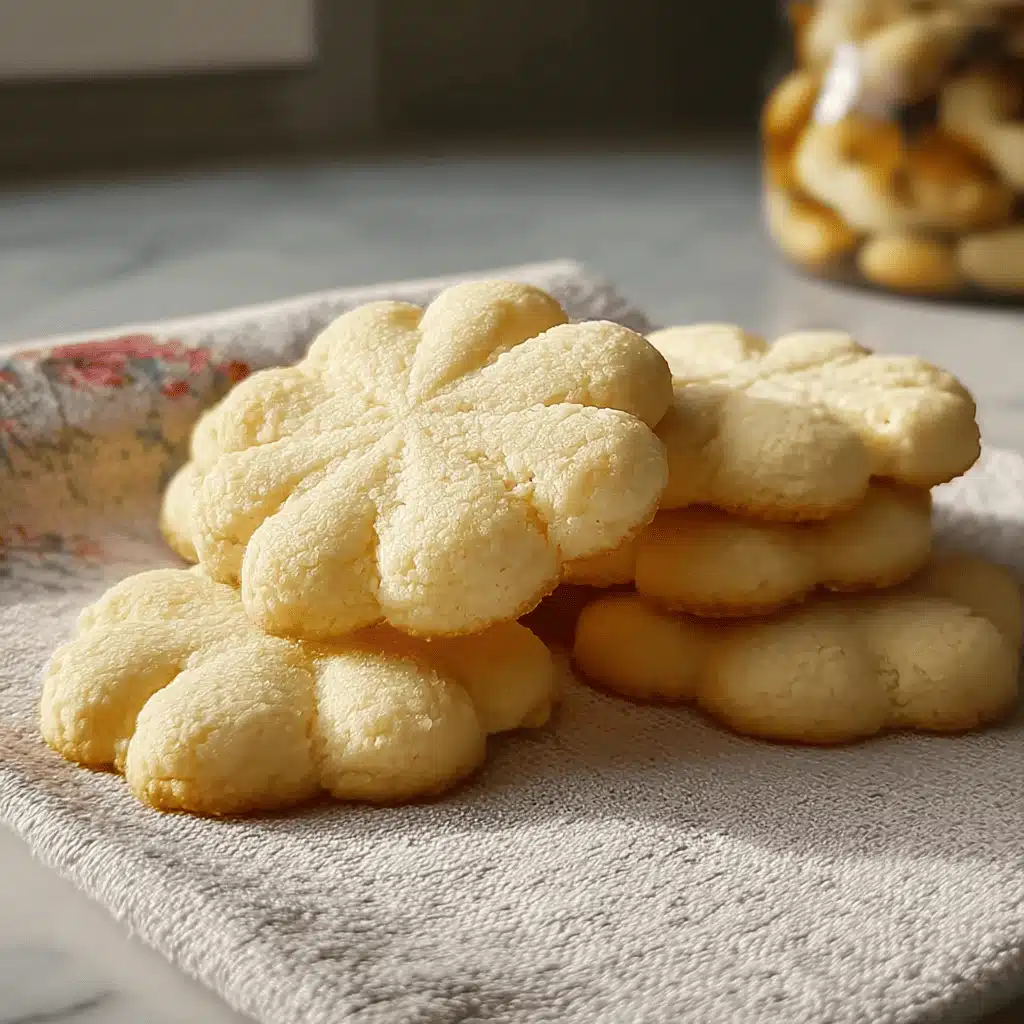
Shortbread cookies prove that simplicity wins every time. With only four ingredients, butter, sugar, vanilla, and flour, you can create something extraordinary. They’re buttery, golden, and timeless, the kind of cookies that make any table feel warm and welcoming.
When I bake them now, I think of my dad teaching me that the best food doesn’t need to be complicated, it just needs heart. And that’s exactly what these cookies deliver: homemade comfort, one buttery bite at a time.
If you loved this recipe, you might also want to try my Black Forest Cake or Pumpkin Chocolate Chip Cookies, two crowd-pleasers that pair beautifully with a simple cup of coffee or a cozy night in.
Fore more recipes follow me on Facebook, Pinterest and Instagram
Frequently Asked Questions About Shortbread cookies
What is the secret to making good shortbread cookies?
The secret is all about balance, softened butter, correct flour measurement, and gentle mixing. Always cream butter and sugar until pale and fluffy, then add flour gradually. Avoid overworking the dough to maintain that tender, melt-in-your-mouth texture.
What is the 1-2-3 rule for shortbread?
It’s the golden ratio for perfect shortbread cookies: 1 part sugar, 2 parts butter, 3 parts flour. This simple formula guarantees structure, sweetness, and that signature crumbly texture every time.
What not to do when making shortbread?
Don’t overmix, don’t use cold butter, and never add liquid to the dough. Also, resist the urge to overbake, edges should just turn golden, while the centers remain pale.
What does adding an extra egg do to cookies?
Shortbread cookies traditionally contain no eggs, which is why they’re crisp and crumbly. Adding an egg makes them softer and chewier, changing the classic texture. Stick with the original version for true shortbread magic.